

Are Cat Medicines Different from Dog Medicines?
When your furry companion falls sick, your first instinct is to help them feel better as quickly as possible. But one common question many pet parents ask is: Are Cat Medicines Different from Dog Medicines? The short answer is yes — and understanding why can protect your pet from serious health risks.
Although cats and dogs may share our homes, they are biologically very different animals. Their metabolism, liver function, digestive systems, and sensitivity to drugs vary significantly. Giving a dog medication to a cat (or vice versa) without veterinary advice can be dangerous and sometimes life-threatening.
In this detailed guide, we’ll explore Are Cat Medicines Different from Dog Medicines?, why those differences matter, and what every responsible pet parent should know.
Why Are Cat Medicines Different from Dog Medicines?
To understand Are Cat Medicines Different from Dog Medicines?, we need to look at species-specific physiology.
Cats are obligate carnivores with unique liver enzyme pathways. Dogs, on the other hand, are omnivores and metabolize drugs differently. These metabolic differences directly impact how medications are processed in their bodies.
Key Biological Differences:

-
Liver Enzyme Activity
Cats lack certain liver enzymes (notably glucuronyl transferase), which are essential for breaking down many drugs. This makes them more sensitive to medications that dogs tolerate easily. -
Drug Metabolism Speed
Dogs metabolize many substances faster than cats. A dose safe for a dog could accumulate to toxic levels in a cat. -
Body Size & Dosage Calculations
Medication dosing depends on body weight and metabolic rate. Even small miscalculations can lead to overdose. -
Taste & Administration
Cats are notoriously sensitive to taste and smell, making some dog medications unsuitable for feline use.
So if you’re wondering again, Are Cat Medicines Different from Dog Medicines? — absolutely, and the differences are medically significant.
Dangerous Medications for Cats That Are Safe for Dogs
One of the biggest risks in ignoring whether Are Cat Medicines Different from Dog Medicines? is accidental poisoning.
Here are some well-known examples:
1. Paracetamol (Acetaminophen)
Common in human and sometimes veterinary pain relief, this drug is extremely toxic to cats. Even a small amount can cause liver failure and red blood cell damage.
2. Permethrin
Frequently found in dog flea treatments, permethrin is highly toxic to cats. Exposure can cause tremors, seizures, and even death.
3. Ibuprofen
While sometimes used cautiously in dogs under veterinary supervision, ibuprofen is highly dangerous for cats.
These examples clearly highlight why asking Are Cat Medicines Different from Dog Medicines? is not just curiosity — it’s a safety issue.
View our Cat Medicines & Dog Medicines
Are Dog Antibiotics Safe for Cats?
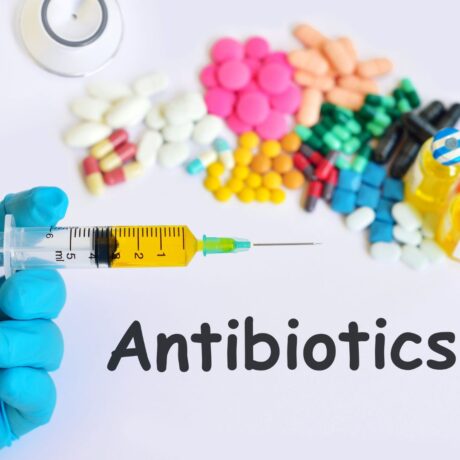
Antibiotics are sometimes prescribed for both cats and dogs, but the formulation and dosage differ.
Some antibiotics (like amoxicillin) may be used in both species, but:
-
The concentration varies.
-
Flavoring differs.
-
Dosage per kilogram is calculated separately.
-
Some additives in dog formulations may not be safe for cats.
Never share leftover dog antibiotics with your cat. Even if the active ingredient is similar, improper dosing can cause kidney stress or treatment failure.
Again, this reinforces the answer to Are Cat Medicines Different from Dog Medicines? — yes, in formulation and administration.
Differences in Flea and Tick Treatments
Parasite control products are a major area where cat and dog medicines differ.
Dog flea treatments may contain:
-
Higher concentrations of insecticides
-
Ingredients toxic to cats (like permethrin)
Cat-specific products are carefully formulated to be:
-
Lower in concentration
-
Free from harmful compounds
-
Safe for feline grooming habits
Cats groom themselves extensively, increasing oral exposure risk. This behavioral difference is another reason why Are Cat Medicines Different from Dog Medicines? in parasite control.
Pain Management: A Major Difference
Pain relief options for dogs are broader compared to cats.
Dogs commonly receive NSAIDs like:
-
Carprofen
-
Meloxicam (dog-specific dosing)
Cats have limited safe pain relief options due to their liver metabolism. Many NSAIDs safe for dogs are either toxic or require extreme caution in cats.
Because cats cannot metabolize certain drugs effectively, overdose risks are much higher. So if you’re thinking about giving your cat your dog’s pain medicine, remember the crucial question: Are Cat Medicines Different from Dog Medicines? The answer could save your cat’s life.
Vaccines: Species-Specific Formulations
Vaccines are another area where medicines are completely different.
Core vaccines for dogs typically include:
-
Rabies
-
Distemper
-
Parvovirus
Core vaccines for cats include:
-
Rabies
-
Feline calicivirus
-
Feline herpesvirus
-
Feline panleukopenia
Vaccines are designed to protect against species-specific diseases. You cannot interchange them.
Supplements: Are They the Same?
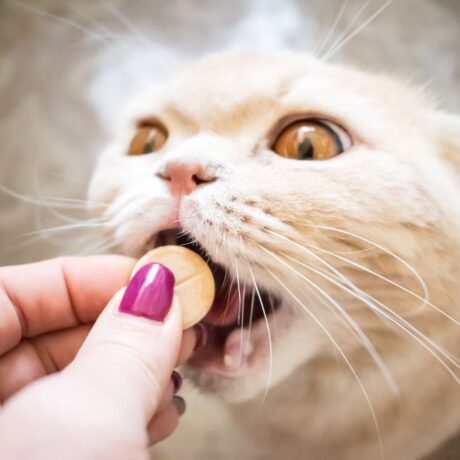
Some nutritional supplements like omega-3 fatty acids or probiotics may overlap between cats and dogs. However:
-
Taurine is essential for cats but not dogs.
-
Vitamin A requirements differ.
-
Calcium-phosphorus balance varies.
Cats require specific nutrients in precise ratios. Supplements formulated for dogs may not meet feline nutritional needs.
This is yet another reason why Are Cat Medicines Different from Dog Medicines? is an important question for pet owners.
Browse our Ithinkpets.com
What Happens If You Give Dog Medicine to a Cat?
Possible consequences include:
-
Vomiting and diarrhea
-
Liver failure
-
Kidney damage
-
Neurological symptoms
-
Seizures
-
Death in severe cases
Cats are more sensitive to toxins than dogs. Even topical products designed for dogs can harm cats through skin absorption or grooming.
If accidental exposure occurs:
-
Contact your veterinarian immediately.
-
Do not attempt home remedies.
-
Bring the product packaging for reference.
Why Veterinarians Prescribe Species-Specific Medicines
Veterinarians consider:
-
Species
-
Breed
-
Age
-
Weight
-
Medical history
-
Organ function
They calculate safe dosages using species-specific research and pharmacology. Veterinary medicine is not one-size-fits-all.
The repeated concern — Are Cat Medicines Different from Dog Medicines? — is addressed daily in veterinary clinics through careful prescription practices.
Can Cats and Dogs Ever Share Medication?
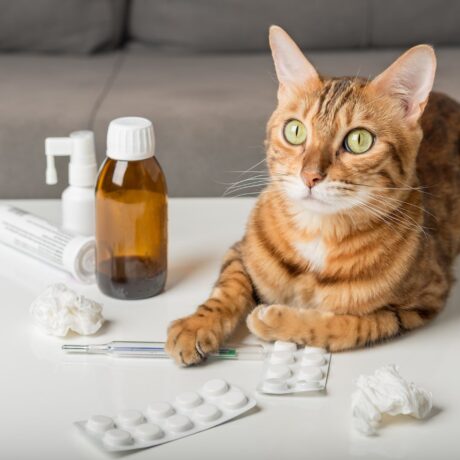
In limited cases, yes — but only under veterinary supervision.
Some medications may be prescribed for both species, but:
-
Dosage differs
-
Frequency differs
-
Monitoring requirements differ
Never assume shared safety without professional advice.
Final Verdict: Are Cat Medicines Different from Dog Medicines?
To conclude clearly: Are Cat Medicines Different from Dog Medicines? Yes — significantly.
The differences lie in:
-
Metabolism
-
Liver enzyme function
-
Drug sensitivity
-
Safe dosage ranges
-
Formulation ingredients
-
Disease susceptibility
Using the wrong medication can cause severe health complications. Always consult a licensed veterinarian before administering any medicine to your pet.
Your cat is not a small dog, and your dog is not a large cat. Treating them as medically identical can be a dangerous mistake. Ithinkpets.com