Dog Hygiene 101: Everything You Need for a Clean & Healthy Pup
Keeping your dog clean isn’t just about appearance—it’s essential for their overall health and happiness. Proper Dog Hygiene plays a crucial role in preventing infections, controlling odors, and ensuring your furry companion lives a long, comfortable life. Whether you’re a new pet parent or an experienced dog owner, understanding the basics of dog hygiene will help you build a consistent care routine.
In this guide, we’ll cover everything you need to know about maintaining your dog’s hygiene—from grooming essentials to dental care and beyond.
Why Dog Hygiene Matters
Good Dog Hygiene goes far beyond regular baths. It helps prevent common issues like skin infections, parasites, bad breath, and ear problems. A well-maintained hygiene routine also allows you to detect early signs of health concerns such as lumps, rashes, or unusual odors.
Maintaining hygiene also strengthens your bond with your pet. Grooming sessions can be a relaxing and enjoyable experience when done correctly.
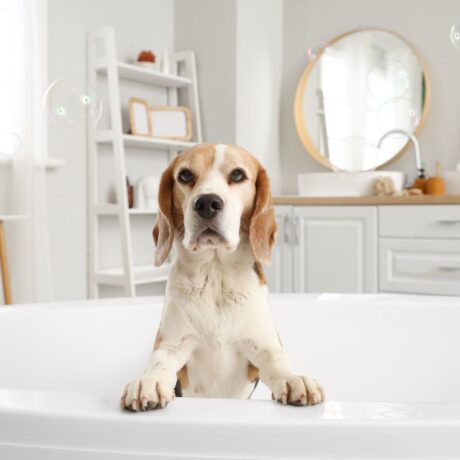
1. Bathing Your Dog the Right Way
Bathing is a fundamental part of Dog Hygiene, but overdoing it can strip your dog’s natural oils and cause dry skin.
How often should you bathe your dog?
-
Short-haired dogs: Every 4–6 weeks
-
Long-haired dogs: Every 3–4 weeks
-
Active/outdoor dogs: As needed
Bathing tips:
-
Use a dog-specific shampoo (never human products)
-
Brush your dog before bathing to remove tangles
-
Use lukewarm water
-
Dry thoroughly to prevent fungal infections
2. Brushing for a Healthy Coat
Regular brushing is a key component of Dog Hygiene, helping to remove dirt, loose fur, and prevent matting.
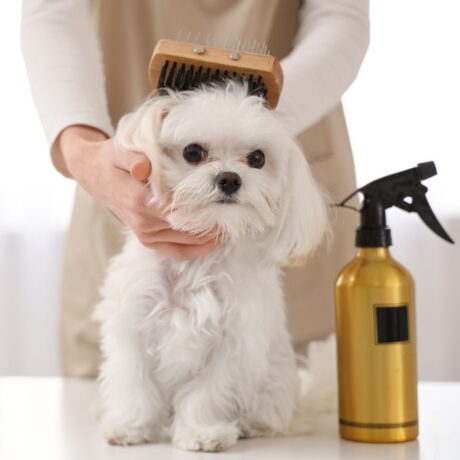
Benefits of brushing:
-
Reduces shedding
-
Stimulates blood circulation
-
Distributes natural oils for a shiny coat
Frequency:
-
Short coats: 1–2 times per week
-
Long coats: Daily or every other day
Choose a brush suited to your dog’s coat type for best results.
3. Nail Trimming Essentials
Overgrown nails can cause pain, posture issues, and even injury. Nail care is often overlooked but is vital in a proper Dog Hygiene routine.
When to trim:
-
Every 3–4 weeks
-
If you hear clicking sounds on the floor
Tips:
-
Use dog nail clippers or grinders
-
Avoid cutting too close to the quick
-
Reward your dog to create a positive experience
4. Dental Care: More Important Than You Think
Dental hygiene is a critical yet neglected part of Dog Hygiene. Poor oral care can lead to gum disease, tooth loss, and even organ damage.
Best practices:
-
Brush your dog’s teeth 2–3 times per week
-
Use dog-safe toothpaste
-
Provide dental chews or toys
Signs of dental problems:
-
Bad breath
-
Yellow or brown tartar
-
Difficulty eating
5. Ear Cleaning and Care
Dogs are prone to ear infections, especially breeds with floppy ears. Keeping ears clean is essential for maintaining proper Dog Hygiene.
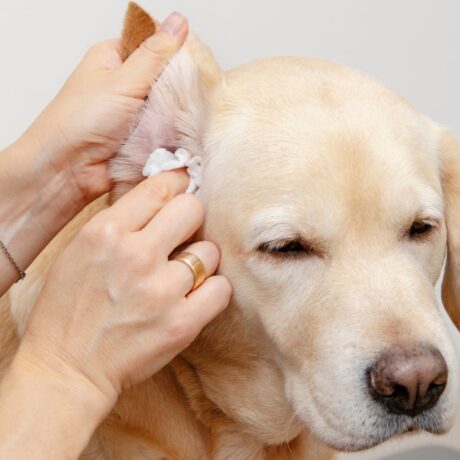
How often to clean:
-
Once every 1–2 weeks
Steps:
-
Use a vet-approved ear cleaning solution
-
Gently wipe with cotton (never insert deep into the ear)
Watch for signs like:
-
Redness
-
Bad odor
-
Excessive scratching
6. Eye Hygiene
Eye care is another important aspect of Dog Hygiene, especially for breeds prone to tear staining.
Tips for eye care:
-
Wipe gently with a damp cloth
-
Use vet-approved eye wipes if needed
-
Keep hair trimmed around the eyes
If you notice excessive discharge or redness, consult a vet.
7. Paw and Coat Maintenance
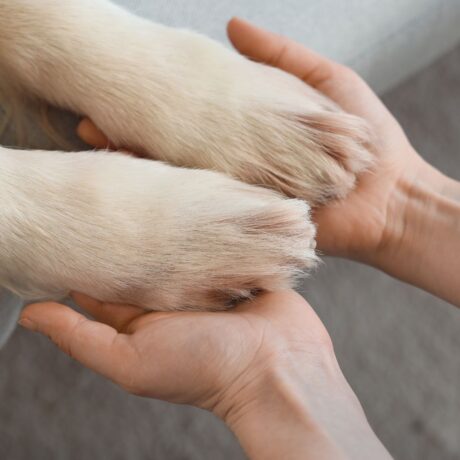
Your dog’s paws and coat are exposed to dirt, bacteria, and allergens daily.
Paw care tips:
-
Clean paws after walks
-
Check for cuts, cracks, or debris
-
Moisturize pads if they become dry
Coat care:
-
Regular trimming for long-haired breeds
-
Use flea and tick treatments as needed
8. Managing Fleas, Ticks, and Parasites
Parasite control is a crucial part of Dog Hygiene. Fleas and ticks can cause severe discomfort and transmit diseases.
Prevention methods:
-
Use vet-recommended flea treatments
-
Regularly inspect your dog’s coat
-
Keep bedding clean
A clean environment is just as important as grooming.
9. Clean Living Environment
Maintaining your dog’s surroundings is equally important for proper Dog Hygiene.
Keep these areas clean:
-
Bedding (wash weekly)
-
Food and water bowls (clean daily)
-
Toys (sanitize regularly)
A hygienic environment reduces the risk of infections and keeps your pet comfortable.
10. Creating a Hygiene Routine
Consistency is the secret to effective Dog Hygiene. Build a routine that fits your dog’s needs and lifestyle.
Sample routine:
-
Daily: Eye cleaning, paw check
-
Weekly: Brushing, ear cleaning
-
Monthly: Bathing, nail trimming
Keeping a schedule ensures you never miss an essential step.
Common Dog Hygiene Mistakes to Avoid
Even with the best intentions, pet owners can make mistakes. Here are some common ones:
-
Over-bathing your dog
-
Using human grooming products
-
Ignoring dental care
-
Skipping regular brushing
-
Neglecting ear cleaning
Avoiding these mistakes will help maintain optimal Dog Hygiene.
Final Thoughts
Maintaining proper Dog Hygiene is one of the most important responsibilities of a pet owner. A clean dog is not only healthier but also happier and more comfortable. By following a consistent hygiene routine that includes grooming, dental care, and environmental cleanliness, you can ensure your furry friend thrives. Ithinkpets.com
Remember, every dog is unique—so adjust your hygiene practices based on your dog’s breed, coat type, and lifestyle. With the right care, your pup will look great, feel great, and stay by your side for years to come.