

Calming & Anxiety Issues in Pets: Signs, Causes & Safe Solutions
Pets bring comfort, joy, and companionship into our lives. But just like humans, they can experience stress and emotional distress. Calming & Anxiety Issues in Pets are more common than many pet parents realize. From loud noises and separation to environmental changes, anxiety can affect both dogs and cats in various ways.
Understanding the signs, causes, and safe calming solutions can help your furry companion live a happier, healthier life. In this guide, we’ll explore everything pet parents need to know about Calming & Anxiety Issues in Pets and how to manage them safely and effectively.
Understanding Calming & Anxiety Issues in Pets
Anxiety in pets is a behavioral and emotional response to perceived threats or stressors. While occasional stress is normal, chronic anxiety can impact a pet’s physical and mental well-being.
Common anxiety disorders in pets include:
-
Separation anxiety
-
Noise phobias (thunderstorms, fireworks)
-
Travel anxiety
-
Social anxiety
-
Age-related anxiety
Recognizing Calming & Anxiety Issues in Pets early allows for timely intervention and prevents long-term behavioral complications.
Signs of Anxiety in Pets

Pets cannot verbally express their feelings, so it’s important to watch for behavioral and physical signs.
1. Behavioral Signs
-
Excessive barking or meowing
-
Destructive chewing or scratching
-
Pacing or restlessness
-
Hiding or withdrawal
-
Aggression
-
Clinginess
For example, many dogs show separation anxiety behaviors when left alone. Breeds like the Labrador Retriever and German Shepherd are known for strong attachment bonds, making them more prone to distress when separated.
Cats may display anxiety differently. Breeds such as the Siamese cat are particularly sensitive and vocal when stressed.
2. Physical Symptoms
-
Excessive panting
-
Drooling
-
Trembling
-
Loss of appetite
-
Vomiting or diarrhea
-
Excessive grooming (especially in cats)
If these symptoms are frequent, they may indicate underlying Calming & Anxiety Issues in Pets that need attention.
Common Causes of Anxiety in Pets

Understanding the root cause is essential for proper calming strategies.
1. Separation from Owners
Pets are social animals. When left alone for extended periods, they may feel insecure. This is one of the leading causes of Calming & Anxiety Issues in Pets.
2. Loud Noises
Thunderstorms, fireworks, and construction sounds can trigger panic responses. Noise phobia is especially common in dogs.
3. Environmental Changes
Moving homes, introducing a new pet, rearranging furniture, or even schedule changes can disrupt a pet’s sense of security.
4. Past Trauma
Rescue pets with a history of neglect or abuse may experience chronic anxiety.
5. Aging & Cognitive Dysfunction
Senior pets may develop confusion-related anxiety similar to dementia in humans.
Why Addressing Anxiety Is Important
Ignoring Calming & Anxiety Issues in Pets can lead to:
-
Behavioral disorders
-
Self-harm (excessive licking or chewing)
-
Weakened immune system
-
Digestive issues
-
Poor quality of life
Early management ensures emotional balance and better long-term health.
Safe Solutions for Calming & Anxiety Issues in Pets

The good news is that there are many safe and effective solutions available. A combination approach usually works best.
1. Behavioral Training & Positive Reinforcement
Training helps pets build confidence and understand expectations.
-
Use reward-based training
-
Avoid punishment
-
Practice gradual desensitization for triggers
-
Maintain consistent routines
Professional trainers or veterinary behaviorists can provide customized plans for severe Calming & Anxiety Issues in Pets.
2. Environmental Enrichment
Keeping pets mentally stimulated reduces stress.
-
Puzzle toys
-
Interactive feeders
-
Regular exercise
-
Scratching posts (for cats)
-
Safe hiding spots
Exercise is especially important for high-energy breeds. Daily walks and play sessions can significantly reduce anxiety-related behaviors.
3. Calming Products & Natural Remedies
Several pet-safe calming aids are available:
Calming Collars & Diffusers
These release pheromones that mimic natural comforting scents.
Herbal Supplements
Chamomile, valerian root, and L-theanine may promote relaxation.
CBD-Based Products
When prescribed or approved by a veterinarian, these may help manage Calming & Anxiety Issues in Pets safely.
Calming Treats
Formulated with natural ingredients to reduce stress.
Always consult a veterinarian before introducing new supplements.
4. Creating a Safe Space
Provide a quiet, secure area where your pet feels comfortable.
-
Soft bedding
-
Familiar toys
-
Reduced noise
-
Dim lighting
This “safe zone” can be especially helpful during thunderstorms or fireworks.
5. Consistent Routine
Pets thrive on predictability. Feed, walk, and play at consistent times daily. A stable routine significantly reduces Calming & Anxiety Issues in Pets.
6. Veterinary Support
If anxiety is severe, a veterinarian may recommend:
-
Behavioral therapy
-
Prescription anti-anxiety medications
-
Health screenings to rule out medical causes
Never self-medicate your pet.
Preventing Anxiety in Pets
Prevention is always better than treatment. Here’s how you can minimize the risk of Calming & Anxiety Issues in Pets:
-
Socialize pets early
-
Gradually expose them to different environments
-
Avoid sudden routine changes
-
Provide regular mental and physical stimulation
-
Schedule routine health check-ups
Early socialization in puppies and kittens plays a crucial role in emotional resilience.
When to Seek Immediate Help
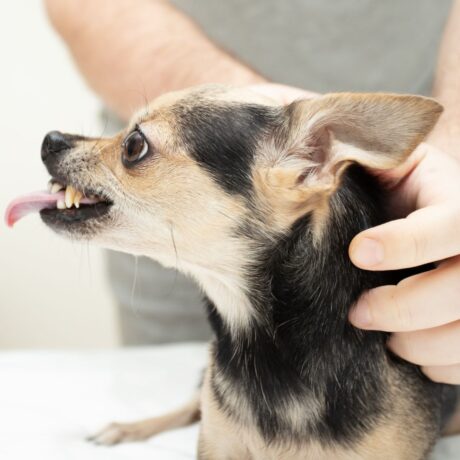
Contact your veterinarian if your pet:
-
Refuses to eat for more than 24 hours
-
Shows extreme aggression
-
Self-harms
-
Displays sudden personality changes
These may indicate severe anxiety or underlying health issues.
Final Thoughts
Calming & Anxiety Issues in Pets are real and manageable with the right knowledge and approach. By recognizing early signs, identifying triggers, and implementing safe calming solutions, pet parents can greatly improve their pet’s emotional well-being.
A calm pet is a happy pet. Whether through behavioral training, environmental enrichment, calming supplements, or veterinary care, addressing anxiety helps strengthen the bond between you and your furry companion.
At Ithinkpets.com, we believe that understanding your pet’s emotional needs is just as important as caring for their physical health. With patience, consistency, and proper support, you can help your pet feel safe, secure, and stress-free.