
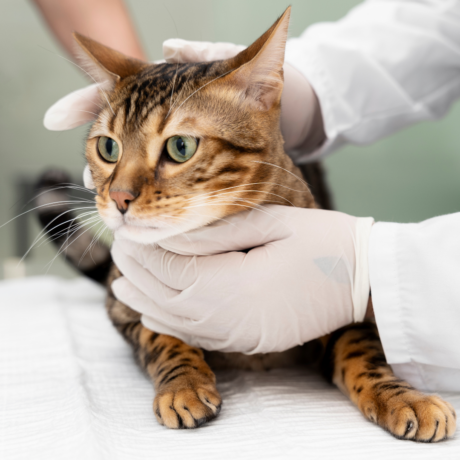
Cat Dewormer: Everything You Need to Know to Keep Your Cat Healthy
Cats are curious, playful, and independent creatures—but even the most pampered indoor cat isn’t completely safe from internal parasites. Worm infestations are surprisingly common and can silently harm your cat’s health if left untreated. This is where a cat dewormer plays a vital role in keeping your feline friend healthy, happy, and parasite-free.
In this guide, we’ll explore what cat dewormers are, why they’re important, the types of worms cats can get, how often deworming should be done, and how to choose the right dewormer for your cat.
What Is a Cat Dewormer?
A cat dewormer is a medication designed to eliminate internal parasites, commonly known as worms, from a cat’s digestive system and other organs. These medications target specific worms, paralyzing or killing them so they can be safely expelled from the cat’s body.
Cat Dewormers are available in different forms such as tablets, liquids, topical treatments, and injections. Some dewormers are broad-spectrum, meaning they treat multiple types of worms, while others are formulated for specific parasites.
Why Is Deworming Important for Cats?
Worm infestations can cause serious health issues if ignored. Many cats may not show obvious symptoms at first, which makes routine deworming essential.
Here’s why using a cat dewormer is so important:
- Prevents weight loss and malnutrition
- Protects kittens during critical growth stages
- Improves digestion and nutrient absorption
- Reduces vomiting and diarrhea
- Prevents anemia caused by blood-sucking parasites
- Protects humans from zoonotic worms (worms that can spread from cats to people)
Regular deworming helps maintain your cat’s overall well-being and reduces the risk of long-term complications.
Common Types of Worms in Cats
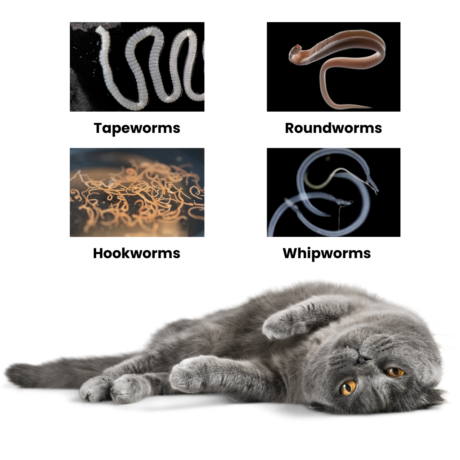
Understanding the types of worms that affect cats can help you choose the right cat dewormer.
- Roundworms
Roundworms are the most common intestinal parasites in cats, especially kittens. They resemble spaghetti and can grow quite large. Cats can get roundworms from their mother’s milk, contaminated soil, or by ingesting infected prey.
Symptoms include:
- Bloated belly
- Vomiting worms
- Diarrhea
- Poor growth in kittens
- Tapeworms
Tapeworms are flat, segmented worms often transmitted through fleas. If your cat has fleas, there’s a high chance it may also have tapeworms.
Symptoms include:
- Rice-like segments near the anus
- Excessive licking
- Mild weight loss
- Hookworms
Hookworms attach to the intestinal lining and feed on blood, making them especially dangerous.
Symptoms include:
- Pale gums
- Weakness
- Bloody stool
- Anemia
- Whipworms (Rare in Cats)
Though uncommon, whipworms can still infect cats and cause gastrointestinal distress.
Signs Your Cat May Need a Dewormer

Not all cats show immediate symptoms, but here are common signs that indicate it’s time for a cat dewormer:
- Vomiting or diarrhea
- Sudden weight loss
- Pot-bellied appearance
- Dull or rough coat
- Scooting or licking the rear end
- Presence of worms or eggs in stool
If you notice any of these symptoms, consult your veterinarian for proper diagnosis and treatment.
How Often Should You Deworm Your Cat?
Deworming frequency depends on your cat’s age, lifestyle, and risk of exposure.
Kittens
- First deworming at 2–3 weeks of age
- Every 2 weeks until 12 weeks
- Monthly until 6 months
Adult Cats
- Indoor cats: Every 3–6 months
- Outdoor cats: Every 2–3 months
Regular fecal exams and vet consultations help determine the ideal deworming schedule.
Types of Cat Dewormers Available
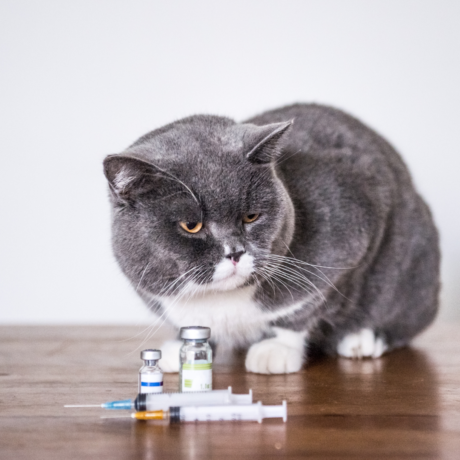
Choosing the right cat dewormer is crucial for effective treatment.
Oral Dewormers
These come in tablet or liquid form and are commonly prescribed by vets. They’re highly effective but may require some patience if your cat resists medication.
Topical Dewormers
Applied to the skin, usually at the back of the neck. These are easy to use and often combined with flea prevention.
Injectable Dewormers
Administered by a veterinarian and used in more severe cases.
Always choose a dewormer specifically labeled for cats, and never use dog dewormers on cats.
Are Cat Dewormers Safe?
When used correctly, cat dewormers are generally very safe. Mild side effects may include:
- Temporary lethargy
- Mild vomiting
- Soft stool
Serious side effects are rare but can occur if the wrong dosage is given. Always follow dosage instructions carefully and consult your vet before starting any new medication.
Preventing Worm Infestations in Cats
While dewormers are essential, prevention is just as important.
Here’s how you can reduce the risk of worms:
- Keep your cat flea-free
- Clean litter boxes daily
- Wash hands after handling cats
- Prevent hunting and scavenging
- Schedule regular veterinary checkups
A clean environment and proactive care go a long way in keeping parasites away.
Choosing the Best Cat Dewormer
SAVAVET Kiwof Dewormer Kittens and Cats, 10 Tablets
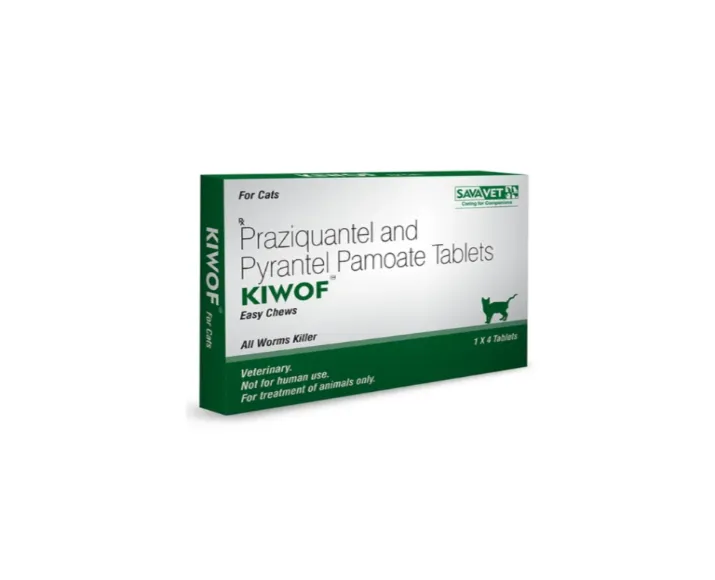
Buy Now SAVAVET Kiwof Dewormer Kittens and Cats
Virbac Milpro for Cats, Broad Spectrum Dewormer For Cats
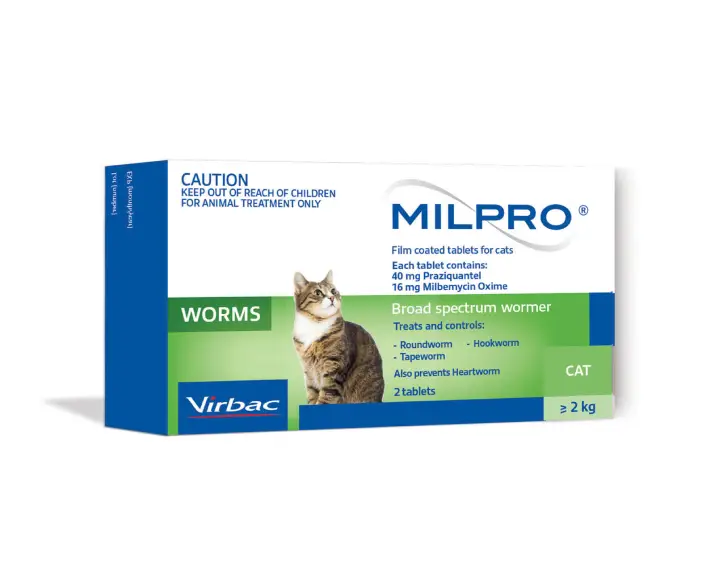
Buy Now Virbac Milpro for Cats, Broad Spectrum Dewormer
Dr Goel’s WORMISULE XP Homoeopathic Natural Deworming for Pets, 30 ML

Buy Now Dr Goel’s WORMISULE XP Homoeopathic Natural Deworming
When selecting a cat dewormer, consider:
- Your cat’s age and weight
- Type of worms being treated
- Vet recommendations
- Ease of administration
Broad-spectrum dewormers are often preferred for routine treatment, while targeted dewormers are ideal for confirmed infestations.
Final Thoughts
Deworming is a vital part of responsible cat ownership. Whether you have a playful kitten or a laid-back adult cat, using a reliable cat dewormer helps protect your pet from harmful parasites and supports a longer, healthier life.
By staying informed, following a proper deworming schedule, and choosing the right products, you’re giving your cat the care it truly deserves. A parasite-free cat is a happier cat—and that’s something every pet parent can feel good about.
At ithinkpets.com, we believe informed pet parents make the best decisions. By understanding how cat dewormers work and when to use them, you’re taking an important step toward keeping your cat safe and thriving.