
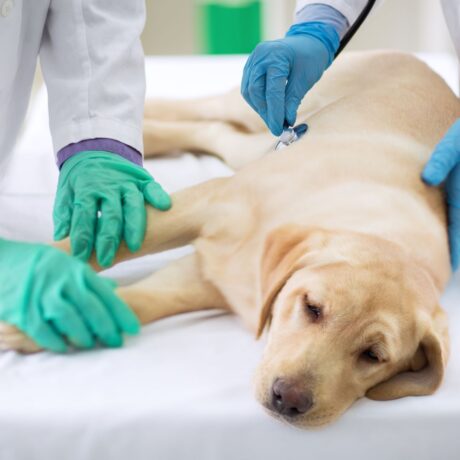
Common Digestive Problems in Dogs & How to Treat Them
Digestive health is essential to your dog’s overall well-being. When a dog’s digestive system isn’t functioning properly, it can affect their energy levels, mood, and long-term health. From mild stomach upset to more serious gastrointestinal conditions, understanding the most common digestive problems in dogs can help you act quickly and responsibly.
At ithinkpets.com, we believe informed pet parents make the best decisions for their furry companions. In this guide, we’ll explore common digestive issues in dogs, their causes, symptoms, and practical ways to treat and prevent them.
Why Digestive Health Matters in Dogs
A dog’s digestive system is responsible for breaking down food, absorbing nutrients, and eliminating waste. When something goes wrong, symptoms often appear quickly. While some issues are temporary and resolve on their own, others may require veterinary care.
Recognizing early warning signs is key. These may include vomiting, diarrhea, constipation, bloating, gas, or loss of appetite.
-
Diarrhea in Dogs

Diarrhea is one of the most frequent digestive complaints among dogs.
Common Causes:
- Sudden change in diet
- Eating spoiled food or garbage
- Food intolerance
- Parasites
- Stress or anxiety
- Bacterial or viral infections
Symptoms:
- Loose or watery stool
- Frequent bowel movements
- Dehydration
- Lethargy
How to Treat It:
For mild diarrhea:
- Temporarily withhold food for 12–24 hours (adult dogs only)
- Ensure constant access to clean water
- Offer a bland diet like boiled chicken and plain rice
- Introduce vet-approved probiotics
If diarrhea persists for more than 48 hours, contains blood, or is accompanied by vomiting or weakness, consult your veterinarian immediately.
-
Vomiting
Occasional vomiting may not be serious, especially if your dog ate too quickly. However, repeated vomiting can signal underlying digestive problems.
Common Causes:
- Gastritis
- Food allergies
- Toxins
- Intestinal blockage
- Pancreatitis
Symptoms:
- Repeated vomiting
- Abdominal discomfort
- Loss of appetite
- Dehydration
How to Treat It:
If vomiting happens once and your dog behaves normally, monitor closely. Offer small amounts of water and introduce bland food gradually.
However, persistent vomiting, blood in vomit, or signs of pain require immediate veterinary attention. At ithinkpets.com, we always recommend professional guidance when symptoms escalate.
-
Constipation
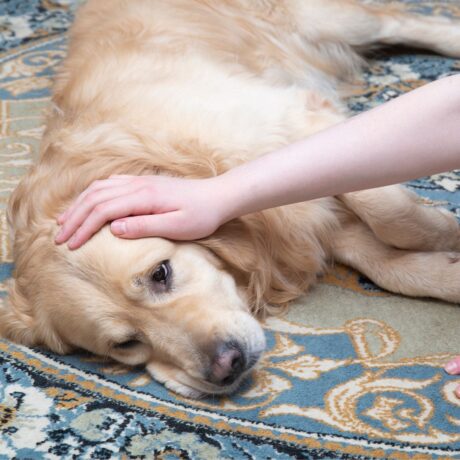
Constipation occurs when bowel movements become infrequent or difficult.
Causes:
- Lack of fiber
- Dehydration
- Insufficient exercise
- Ingesting foreign objects
- Certain medical conditions
Symptoms:
- Straining to defecate
- Hard, dry stools
- Discomfort
How to Treat It:
- Increase water intake
- Add fiber-rich foods like plain canned pumpkin
- Encourage regular physical activity
- Switch to a balanced, high-quality dog food
If constipation lasts longer than two days or your dog appears in pain, seek veterinary care.
-
Gas and Bloating
Excessive gas can be uncomfortable but is often manageable. However, severe bloating can be life-threatening.
Causes:
- Eating too quickly
- Poor-quality diet
- Food sensitivities
- Swallowing excess air
Symptoms of Mild Gas:
- Flatulence
- Mild abdominal discomfort
Symptoms of Severe Bloat (GDV):
- Swollen abdomen
- Restlessness
- Drooling
- Unsuccessful attempts to vomit
How to Treat It:
For mild gas:
- Use slow-feeder bowls
- Provide smaller, more frequent meals
- Switch to high-quality, easily digestible food
If you suspect bloat, seek emergency veterinary care immediately. This condition requires urgent treatment.
-
Intestinal Parasites
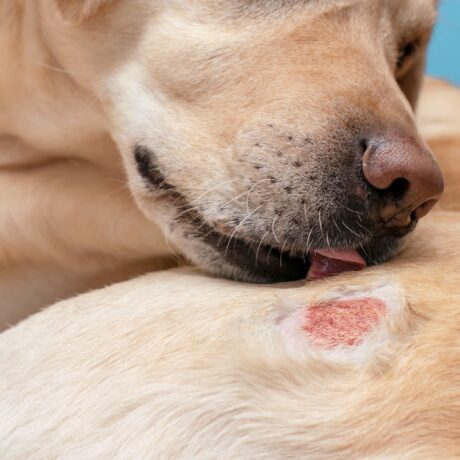
Parasites are a common digestive issue, especially in puppies.
Common Types:
- Roundworms
- Hookworms
- Tapeworms
- Whipworms
Symptoms:
- Diarrhea
- Weight loss
- Bloated abdomen
- Visible worms in stool
How to Treat It:
Your veterinarian will perform a fecal test to identify the parasite and prescribe appropriate deworming medication. Regular parasite prevention is crucial to avoid recurrence.
At ithinkpets.com, we encourage routine vet visits to catch these problems early.
-
Food Allergies and Sensitivities
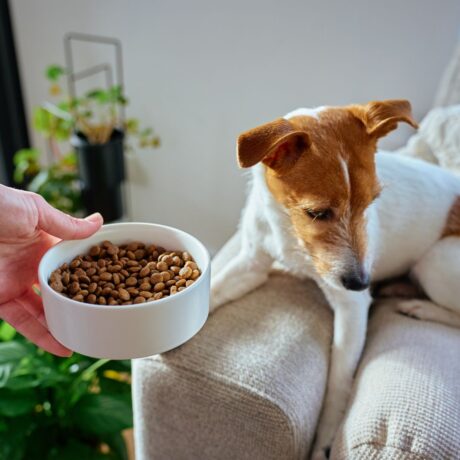
Some dogs develop digestive issues due to certain ingredients in their food.
Symptoms:
- Chronic diarrhea
- Vomiting
- Gas
- Skin irritation
- Ear infections
How to Treat It:
- Conduct an elimination diet under veterinary supervision
- Switch to limited-ingredient or hypoallergenic dog food
- Avoid known trigger ingredients
Managing food allergies requires patience, but the right diet can dramatically improve your dog’s quality of life.
-
Pancreatitis
Pancreatitis is inflammation of the pancreas and can be serious if untreated.
Causes:
- High-fat foods
- Obesity
- Certain medications
Symptoms:
- Severe vomiting
- Abdominal pain
- Fever
- Lethargy
How to Treat It:
This condition requires immediate veterinary attention. Treatment may include IV fluids, medication, and a special low-fat diet.
Prevent pancreatitis by maintaining a healthy weight and avoiding fatty table scraps.
Preventing Digestive Problems in Dogs
Prevention plays a major role in maintaining digestive health. Here are essential tips recommended by ithinkpets.com:
- Feed a High-Quality Diet
Choose balanced dog food suitable for your dog’s age, breed, and activity level.
- Avoid Sudden Diet Changes
Gradually transition to new food over 7–10 days.
- Keep Harmful Items Away
Prevent access to trash, toxic foods, and small objects.
- Maintain Hydration
Fresh, clean water should always be available.
- Schedule Regular Vet Checkups
Routine exams help detect problems before they worsen.
- Use Preventative Care
Stay consistent with deworming and vaccinations.
When to See a Veterinarian
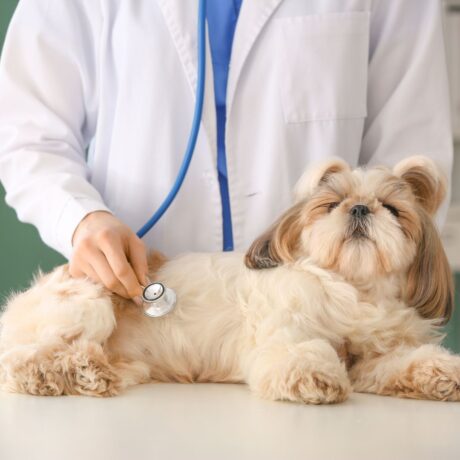
While minor digestive issues may resolve at home, contact your vet if your dog experiences:
- Persistent vomiting or diarrhea
- Blood in stool or vomit
- Severe abdominal swelling
- Sudden weight loss
- Extreme lethargy
- Signs of dehydration
Prompt action can prevent complications and ensure faster recovery.
Final Thoughts
Digestive problems in dogs are common but manageable with proper awareness and care. Whether it’s mild diarrhea or a more serious condition like pancreatitis, recognizing symptoms early can make a significant difference.
At ithinkpets.com, our goal is to help pet parents stay informed and proactive. By providing balanced nutrition, regular veterinary care, and close observation, you can protect your dog’s digestive health and overall well-being.
A healthy gut means a happy dog — and a happy dog makes a happy home.