
Digestive Issues in Cats: Vomiting, Hairballs & Constipation Explained
Cats are known for their cleanliness, independence, and sensitive digestive systems. While occasional stomach upset may not be alarming, frequent digestive problems can signal underlying health concerns. Digestive Issues in Cats: Vomiting, Hairballs & Constipation Explained is a topic every cat parent should understand to ensure their feline companion stays healthy and comfortable.
In this detailed guide, we’ll break down the common digestive issues in cats, why they occur, warning signs to watch for, and practical steps you can take to manage and prevent them.
Understanding Digestive Issues in Cats
Digestive issues in cats are among the most common reasons pet parents visit veterinarians. A cat’s digestive system includes the stomach, intestines, liver, pancreas, and colon. When any part of this system is irritated or disrupted, symptoms like vomiting, hairballs, diarrhea, or constipation can appear.
While mild digestive upset can happen occasionally due to diet changes or hair ingestion, chronic symptoms should never be ignored.
Vomiting in Cats: Causes & When to Worry
Vomiting is one of the most common digestive issues in cats. However, not all vomiting is the same. It’s important to understand the difference between occasional vomiting and a serious medical concern.
Common Causes of Vomiting in Cats
-
Hair ingestion from grooming
-
Sudden diet changes
-
Food intolerance or allergies
-
Eating too quickly
-
Intestinal parasites
-
Inflammatory Bowel Disease (IBD)
-
Organ problems (liver, kidney, pancreas)
Cats are meticulous groomers, and loose hair often ends up in their stomach. When the hair accumulates, it may trigger vomiting.
Occasional vs. Chronic Vomiting
-
Occasional vomiting (once every few weeks) may not be serious.
-
Frequent vomiting (multiple times weekly) requires veterinary evaluation.
If vomiting is accompanied by lethargy, weight loss, blood, or refusal to eat, seek immediate veterinary care.
Hairballs in Cats: More Than Just a Nuisance
Hairballs are technically called trichobezoars. They form when swallowed hair accumulates in the stomach and cannot pass through the digestive tract.
Why Do Hairballs Form?
When cats groom themselves, their rough tongues trap loose fur. Most of this fur passes through the digestive system, but some may remain in the stomach and form a hairball.
Long-haired breeds like the Persian and Maine Coon are more prone to hairballs due to their dense coats.
Signs of Hairballs
-
Retching or gagging
-
Vomiting cylindrical hair masses
-
Decreased appetite
-
Constipation (in severe cases)
Frequent hairballs (more than once a month) may indicate an underlying digestive issue in cats that requires attention.
How to Reduce Hairballs
-
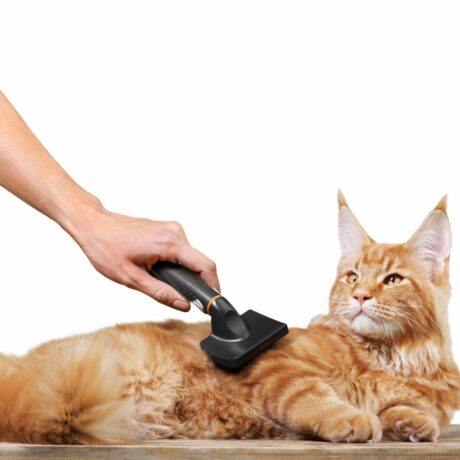
Brush your cat regularly
-
Provide a high-fiber diet
-
Use hairball-control formulas
-
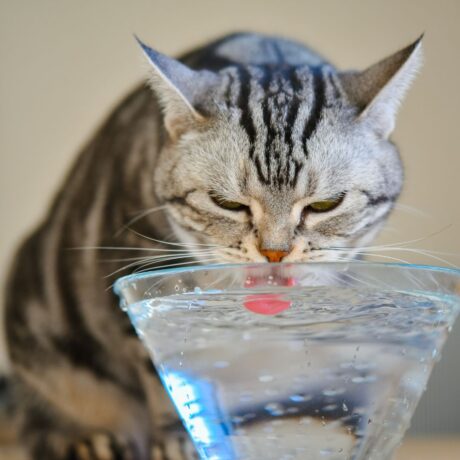
Ensure proper hydration
Regular grooming significantly reduces hair ingestion and helps prevent recurring digestive issues in cats.
Constipation in Cats: Causes & Symptoms
Constipation is another common digestive issue in cats. It occurs when bowel movements become infrequent or difficult to pass.
What Causes Constipation?
-
Dehydration
-
Low-fiber diet
-
Hair accumulation in the intestines
-
Obesity
-
Lack of exercise
-
Pain or stress
-
Underlying medical conditions
Indoor cats are particularly prone to constipation due to lower activity levels.
Symptoms of Constipation in Cats
-
Straining in the litter box
-
Hard, dry stools
-
Crying while defecating
-
Reduced appetite
-
Vomiting
-
Lethargy
If untreated, constipation can progress to megacolon, a serious condition where the colon becomes enlarged and loses function.
The Link Between Vomiting, Hairballs & Constipation
Many cat parents treat vomiting, hairballs, and constipation as separate problems. However, they are often interconnected digestive issues in cats.
For example:
-
Excess hair ingestion can cause both vomiting and constipation.
-
Poor hydration can worsen hairball formation and constipation.
-
Dietary imbalances can trigger chronic digestive upset.
Understanding this connection helps address the root cause rather than just managing symptoms.
Diet & Nutrition: The Foundation of Digestive Health
Diet plays a critical role in preventing digestive issues in cats.
1. High-Quality Protein
Cats are obligate carnivores. Their digestive systems are designed to process animal protein efficiently. Poor-quality diets can irritate the stomach and intestines.
2. Adequate Fiber
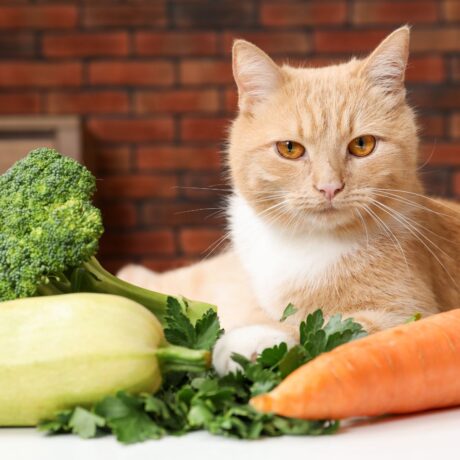
Fiber supports bowel movement regularity and helps move ingested hair through the digestive tract.
3. Hydration
Cats naturally have a low thirst drive. Feeding wet food and providing fresh water sources can reduce constipation and improve digestion.
4. Gradual Diet Changes
Sudden food changes can cause vomiting and diarrhea. Always transition foods over 7–10 days.
When to See a Veterinarian
While occasional digestive issues in cats may resolve at home, seek veterinary care if you notice:
-
Persistent vomiting
-
Blood in vomit or stool
-
Severe constipation (no stool for 48+ hours)
-
Sudden weight loss
-
Signs of pain
-
Repeated hairball episodes without hair production
Early diagnosis prevents complications and ensures quicker recovery.
Preventing Digestive Issues in Cats
Prevention is always better than treatment. Here are proactive steps you can take:
Regular Grooming
Daily brushing reduces hair ingestion, especially for long-haired breeds.
Provide Balanced Nutrition
Choose a vet-recommended, high-quality cat food.
Encourage Hydration
-
Use water fountains
-
Offer wet food
-
Provide multiple water bowls
Maintain Healthy Weight
Obesity slows digestion and increases constipation risk.
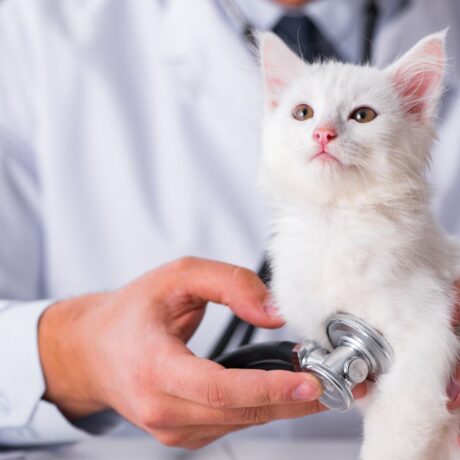
Routine Vet Checkups
Annual exams help detect early digestive issues in cats before they become serious.
Common Myths About Digestive Issues in Cats
Myth 1: Cats vomit all the time — it’s normal.
Frequent vomiting is not normal and should be evaluated.
Myth 2: Hairballs are harmless.
Occasional hairballs are common, but frequent ones signal digestive imbalance.
Myth 3: Constipation resolves on its own.
Chronic constipation can lead to severe complications.
Understanding facts versus myths is essential for responsible pet parenting.
Final Thoughts
Digestive problems can significantly affect your cat’s comfort and quality of life. Digestive Issues in Cats: Vomiting, Hairballs & Constipation Explained highlights the importance of recognizing early warning signs and taking preventive measures.
Occasional vomiting or hairballs may not be alarming, but persistent symptoms require attention. By providing proper nutrition, regular grooming, adequate hydration, and routine veterinary care, you can minimize digestive issues in cats and ensure a happy, healthy feline companion.
If your cat experiences recurring vomiting, frequent hairballs, or constipation, consult your veterinarian promptly. Early intervention makes all the difference. Ithinkpets.com