
Dog Skin & Coat Problems: Itching, Hair Fall & Effective Treatments
Dogs are known for their shiny coats and healthy skin, but many pet parents struggle with Dog Skin & Coat Problems at some point. From constant itching and hair fall to redness and infections, skin issues are among the most common health concerns in dogs. If left untreated, these conditions can worsen and significantly affect your pet’s comfort and overall well-being.
In this guide by Ithinkpets.com, we’ll explore the causes, symptoms, and effective treatments for Dog Skin & Coat Problems to help your furry friend stay healthy and itch-free.
Understanding Dog Skin & Coat Problems
The skin is the largest organ of a dog’s body and acts as a protective barrier against infections, parasites, and environmental irritants. When this barrier is compromised, various Dog Skin & Coat Problems can develop.
A healthy coat should be shiny, smooth, and free from excessive shedding or bald patches. If you notice changes in your dog’s skin texture or coat quality, it may indicate an underlying issue that needs attention.
Common Causes of Dog Skin & Coat Problems
Several factors contribute to Dog Skin & Coat Problems. Identifying the root cause is essential for effective treatment.
1. Allergies
Allergies are one of the most common causes of itching and irritation. Dogs can develop allergies to:
-
Food ingredients (chicken, dairy, wheat)
-
Environmental allergens (dust, pollen, mold)
-
Flea bites (flea allergy dermatitis)
Allergic reactions often lead to excessive scratching, redness, ear infections, and hair loss.
2. Parasites
External parasites like fleas, ticks, and mites can cause severe Dog Skin & Coat Problems. Mange, caused by mites, leads to hair loss, thickened skin, and intense itching.
Regular parasite prevention is crucial to avoid these issues.
3. Fungal & Bacterial Infections
Warm and humid climates (common in many parts of India) can increase the risk of fungal infections. Bacterial infections may occur when dogs scratch excessively, damaging the skin barrier.
Symptoms include:
-
Red patches
-
Pus-filled bumps
-
Foul odor
-
Sticky discharge
4. Nutritional Deficiencies
A poor diet lacking essential fatty acids, vitamins, and minerals can lead to dull coat, dry skin, and excessive shedding. Omega-3 and Omega-6 fatty acids play a crucial role in maintaining coat health.
5. Hormonal Imbalances
Conditions like hypothyroidism or Cushing’s disease can trigger chronic Dog Skin & Coat Problems, including symmetrical hair loss and skin darkening.
View our Dog Skin & Coat Care
Signs & Symptoms to Watch For

Early detection of Dog Skin & Coat Problems can prevent complications. Watch for:
-
Persistent itching or scratching
-
Hair fall or bald patches
-
Redness or inflammation
-
Flaky or scaly skin
-
Thickened or darkened skin
-
Unpleasant odor
-
Licking paws excessively
If these symptoms persist for more than a few days, consult a veterinarian.
Effective Treatments for Dog Skin & Coat Problems
Treatment depends on the underlying cause. Below are some effective approaches for managing Dog Skin & Coat Problems.
1. Medicated Shampoos
Veterinary-recommended medicated shampoos help treat bacterial and fungal infections. Regular bathing with appropriate products can soothe itching and reduce inflammation.
Avoid over-bathing, as it can strip natural oils and worsen dryness.
2. Anti-Allergy Management
For allergy-related Dog Skin & Coat Problems, your vet may recommend:
-
Antihistamines
-
Corticosteroids (short-term use)
-
Hypoallergenic diet
-
Omega fatty acid supplements
Identifying and eliminating allergens is key for long-term relief.
3. Parasite Control
Monthly flea and tick preventives significantly reduce skin irritation caused by parasites. Treat your home environment as well to prevent reinfestation.
4. Nutritional Support
A balanced, high-quality diet is essential in managing Dog Skin & Coat Problems. Look for:
-
Omega-3 & Omega-6 fatty acids
-
Zinc
-
Vitamin E
-
Biotin
Skin and coat supplements can improve shine, reduce shedding, and strengthen hair follicles.
5. Antibiotics & Antifungals
In cases of severe infections, your vet may prescribe oral or topical antibiotics and antifungal medications. Always complete the full course to prevent recurrence.
6. Moisturizing Sprays & Skin Protectants
For dry and irritated skin, soothing sprays and skin repair formulations help restore the protective barrier.
Browse our Dog Skin & Coat Care
Shop Ithinkpets.com
Home Care Tips for Healthy Skin & Coat
Preventing Dog Skin & Coat Problems is easier than treating them. Follow these practical tips:
Regular Grooming
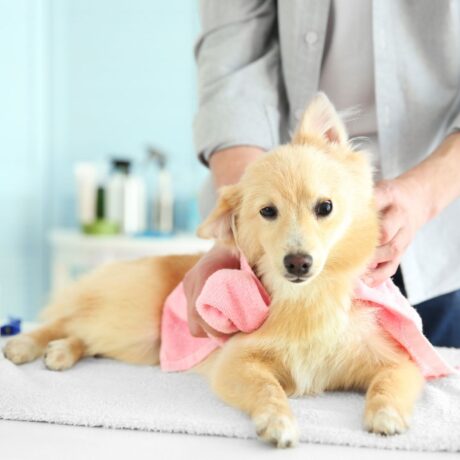
Brushing removes dead hair, distributes natural oils, and helps detect skin abnormalities early.
Balanced Diet
Invest in premium-quality dog food rich in essential nutrients.
Proper Hydration
Ensure your dog always has access to fresh water.
Maintain Clean Bedding
Wash bedding regularly to prevent bacterial buildup.
Avoid Harsh Chemicals
Use pet-safe cleaning products and grooming items.
When to Visit the Vet
Seek veterinary care if:
-
Itching becomes severe
-
You notice bleeding or open sores
-
Hair loss spreads rapidly
-
Your dog seems lethargic
-
Skin issues keep recurring
Chronic Dog Skin & Coat Problems may indicate deeper health conditions requiring medical evaluation.
Seasonal Impact on Dog Skin & Coat Problems
Weather changes can influence skin health.
-
Summer: Increased risk of fungal infections and flea infestations
-
Monsoon: Moisture-related bacterial infections
-
Winter: Dry, flaky skin due to low humidity
Adjust grooming and nutrition according to seasonal needs.
Best Supplements for Dog Skin & Coat Health

Supplements can play a major role in preventing Dog Skin & Coat Problems. Common beneficial ingredients include:
-
Fish oil
-
Flaxseed oil
-
Biotin
-
Zinc
-
Vitamin A & E
Always consult your veterinarian before starting supplements.
Final Thoughts
Dog Skin & Coat Problems are common but manageable with proper care, nutrition, and timely veterinary support. Early identification of symptoms like itching, hair fall, redness, or flaky skin can prevent serious complications.
By maintaining a healthy diet, regular grooming routine, parasite control, and appropriate medical care, you can ensure your dog enjoys a shiny coat and healthy skin year-round.
For trusted skin care products, supplements, and veterinary solutions, explore expert-recommended options Ithinkpets.com — your partner in pet health.