
Joint Pain in Dogs: Early Signs, Causes & Treatment Options
Joint pain in dogs is one of the most common health concerns pet parents face, especially as their furry companions age. However, arthritis and joint-related problems don’t only affect senior dogs — younger dogs can also develop joint issues due to genetics, injuries, or lifestyle factors.
At ithinkpets.com, we believe that early detection and proper care can significantly improve your dog’s comfort, mobility, and overall quality of life. In this guide, we’ll walk you through the early signs of joint pain in dogs, its common causes, and the most effective treatment options available today.
Understanding Joint Pain in Dogs
Joint pain occurs when there is inflammation, damage, or degeneration in a dog’s joints. The most common joint condition is osteoarthritis, a progressive disease that causes cartilage breakdown. Cartilage normally cushions the bones, allowing smooth movement. When it wears down, bones rub against each other, causing pain, stiffness, and reduced mobility.
While joint pain is more common in older dogs, it is not simply a “normal part of aging.” With proper care and treatment, many dogs can continue to live active, happy lives.
Early Signs of Joint Pain in Dogs
Dogs are naturally resilient and often hide their discomfort. That’s why it’s important to recognize subtle changes in behavior and movement.
Here are some early warning signs:
- Stiffness After Rest
If your dog seems stiff when getting up from a nap or struggles to stand after lying down, this may indicate joint discomfort.
- Limping or Favoring a Leg
Occasional limping that comes and goes can signal early arthritis or joint injury.
- Reluctance to Jump or Climb
Hesitating before jumping into the car, climbing stairs, or getting on the couch can be a sign of joint pain.
- Decreased Activity
A once-energetic dog that now prefers shorter walks or avoids playtime may be experiencing discomfort.
- Behavioral Changes
Irritability, withdrawal, or sensitivity when touched (especially around hips, elbows, or knees) can indicate pain.
- Muscle Loss
Chronic joint pain can cause muscle atrophy due to reduced use of the affected limb.
If you notice any of these symptoms, it’s important to consult your veterinarian for proper evaluation.
Common Causes of Joint Pain in Dogs

Joint pain can develop for various reasons. Understanding the root cause helps determine the best treatment approach.
- Osteoarthritis
The most common cause of joint pain in dogs, osteoarthritis results from gradual cartilage degeneration. It can develop due to aging, previous injuries, or joint abnormalities.
- Hip Dysplasia
A genetic condition commonly seen in large breeds, hip dysplasia occurs when the hip joint doesn’t form properly, leading to instability and arthritis over time.
- Elbow Dysplasia
Similar to hip dysplasia, this condition affects the elbow joint and is common in larger breeds.
- Injury or Trauma
Ligament tears (such as ACL/CCL injuries), fractures, or joint trauma can lead to chronic pain if not properly treated.
- Obesity
Excess weight puts additional strain on joints, accelerating wear and tear. Maintaining a healthy weight is one of the most effective ways to prevent joint issues.
- Breed Predisposition
Large and giant breeds such as Labrador Retrievers, German Shepherds, Golden Retrievers, and Rottweilers are more prone to joint problems. However, smaller breeds can also develop joint issues.
At ithinkpets.com, we emphasize proactive care, especially for breeds that are genetically predisposed to joint conditions.
Diagnosing Joint Pain in Dogs
If you suspect joint pain, your veterinarian may perform:
- Physical examination
- Joint manipulation tests
- X-rays or imaging
- Blood tests (to rule out infections or autoimmune issues)
Early diagnosis allows for better management and can slow disease progression.
Treatment Options for Joint Pain in Dogs

The good news is that there are multiple effective treatment options available. Most dogs benefit from a combination of therapies.
Maintaining an ideal body weight reduces stress on joints. Even losing 5–10% of body weight can significantly improve mobility and reduce pain.

Veterinarians often recommend supplements containing:
- Glucosamine
- Chondroitin
- MSM (Methylsulfonylmethane)
- Omega-3 fatty acids
- Green-lipped mussel extract
These ingredients support cartilage health and reduce inflammation.
- Anti-Inflammatory Medications
Non-steroidal anti-inflammatory drugs (NSAIDs) are commonly prescribed to manage pain and inflammation. Always use medications under veterinary supervision.
- Physical Therapy
Hydrotherapy, controlled exercise, and therapeutic massage can strengthen muscles and improve joint flexibility.
- Laser Therapy & Acupuncture
Alternative treatments like cold laser therapy and acupuncture can help reduce inflammation and stimulate healing.
- Orthopedic Beds & Home Adjustments
Simple home changes can make a big difference:
- Provide orthopedic dog beds
- Use ramps instead of stairs
- Add non-slip rugs on slippery floors
- Raise food and water bowls
- Surgery
In severe cases, surgical options such as joint replacement or ligament repair may be recommended.
Natural Ways to Support Joint Health
In addition to medical treatment, there are lifestyle changes that can help support joint health:
Regular Low-Impact Exercise
Swimming and controlled leash walks are ideal for maintaining muscle strength without overstraining joints.
Balanced Nutrition

A high-quality, nutrient-rich diet supports overall joint function. Look for foods formulated for joint health.
Early Prevention
Starting joint supplements early — especially for large breeds — can help delay the onset of arthritis.
At ithinkpets.com, we always encourage prevention as the first line of defense against joint pain.
When to See a Vet
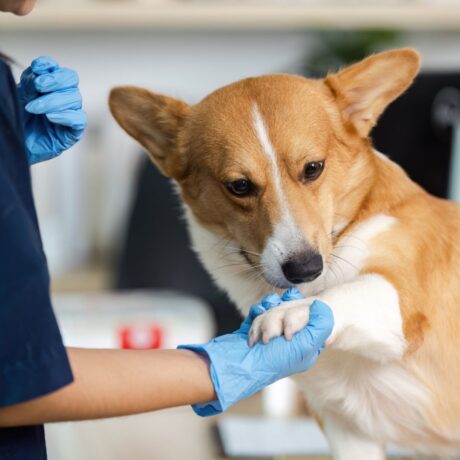
Seek veterinary attention immediately if your dog:
- Cries out in pain
- Refuses to bear weight on a limb
- Shows sudden severe limping
- Has swelling in joints
- Becomes lethargic or loses appetite
Prompt treatment can prevent long-term complications.
Helping Your Dog Live Comfortably

Joint pain doesn’t mean your dog can’t live a happy, active life. With early detection, proper medical care, and lifestyle adjustments, many dogs continue to enjoy walks, playtime, and companionship for years.
Consistency is key. Managing joint pain is often a lifelong process, but with dedication and proper guidance, your dog can thrive.

Final Thoughts
Joint pain in dogs is common but manageable. Recognizing early signs such as stiffness, limping, or reduced activity can make a significant difference in your dog’s long-term comfort. Understanding the causes — from arthritis to injuries — helps you take preventive measures and seek appropriate treatment.
At ithinkpets.com, our mission is to empower pet parents with reliable information to make informed decisions about their dog’s health. If you suspect joint discomfort, consult your veterinarian and begin a proactive care plan.
Your dog depends on you for comfort, care, and love — and with the right support, they can continue to live a joyful, pain-free life.