
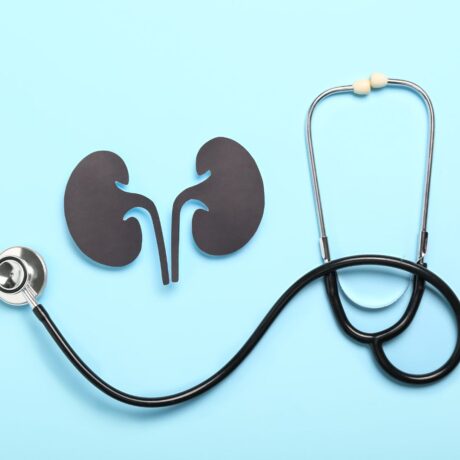
Kidney & Liver Problems in Dogs and Cats: Early Symptoms & Care
Pets cannot tell us when something feels wrong. That’s why understanding Kidney & Liver Problems in Dogs and Cats is essential for every responsible pet parent. The kidneys and liver are two of the most important organs in your pet’s body. When they fail to function properly, it can quickly become life-threatening.
Early detection, proper care, and timely veterinary support can significantly improve your pet’s quality of life. In this guide, we’ll explain the early symptoms, causes, diagnosis, treatment, and preventive care for Kidney & Liver Problems in Dogs and Cats.
Why Are Kidneys and Liver Important?
Before understanding Kidney & Liver Problems in Dogs and Cats, it’s important to know what these organs do.
Kidney Function
-
Filters waste products from the blood
-
Maintains water balance
-
Regulates electrolytes
-
Produces essential hormones
Liver Function
-
Detoxifies harmful substances
-
Produces bile for digestion
-
Stores nutrients and vitamins
-
Supports metabolism
When either organ begins to fail, toxins build up in the body, affecting multiple systems.
Best Kidney & Liver Support Products
Himalaya Nefrotec DS tablet, Dog and Cats
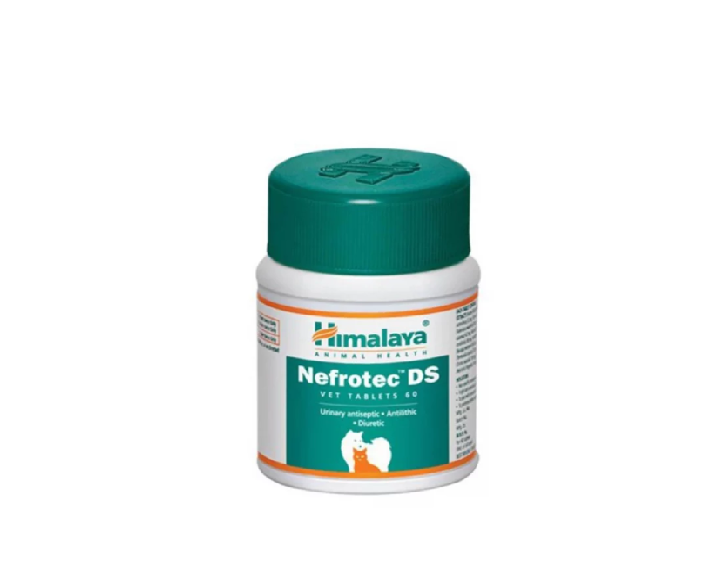
Buy now Himalaya Nefrotec DS tablet
Vetoquinol Ipakitine Renal Support for dogs and cats

Buy now Vetoquinol Ipakitine Renal Support
Vivaldis Renalof for Dogs & Cats
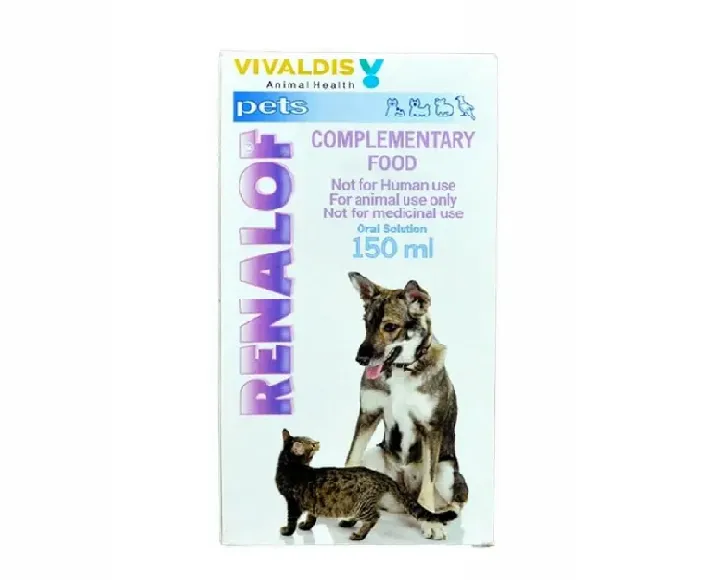
Buy now Vivaldis Renalof for Dogs & Cats
Kidney & Liver Problems in Dogs and Cats: Common Causes
Understanding the causes helps in early prevention.
View our Dog Urinary & Kidney Support & Cat Urinary & Kidney Support
Causes of Kidney Problems
-
Aging (especially in senior cats)
-
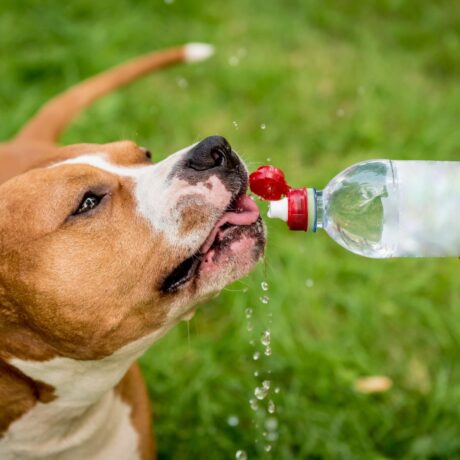
Dehydration
-
Toxic substances (antifreeze, certain plants, medications)
-
Infections
-
Genetic predisposition
-
Long-term untreated dental disease
Chronic Kidney Disease (CKD) is particularly common in older cats and dogs.
Causes of Liver Problems
-
Viral or bacterial infections
-
Toxic exposure (household chemicals, certain drugs)
-
Obesity
-
Poor diet
-
Congenital defects
-
Hormonal disorders
Both kidney and liver conditions can be acute (sudden) or chronic (progressive over time).
Early Symptoms of Kidney & Liver Problems in Dogs and Cats
Recognizing symptoms early is critical. Here are the warning signs every pet parent should monitor.
View our Dog Liver & Gastro Support & Cat Liver & Gastro Support
Early Symptoms of Kidney Problems
-
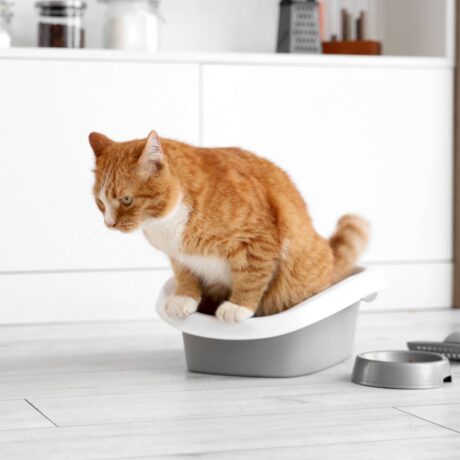
Increased thirst (polydipsia)
-
Frequent urination
-
Weight loss
-
Reduced appetite
-
Vomiting
-
Lethargy
-
Bad breath (uremic odor)
Cats with kidney disease may also show dull coat and dehydration.
Early Symptoms of Liver Problems
-
Yellowing of eyes, gums, or skin (jaundice)
-
Loss of appetite
-
Vomiting or diarrhea
-
Swollen abdomen
-
Behavioral changes
-
Dark urine
-
Pale stools
In both cases, symptoms may appear mild initially, making regular vet check-ups extremely important.
Diagnosis of Kidney & Liver Problems in Dogs and Cats
If you suspect Kidney & Liver Problems in Dogs and Cats, immediate veterinary consultation is necessary.
Common Diagnostic Tests
-
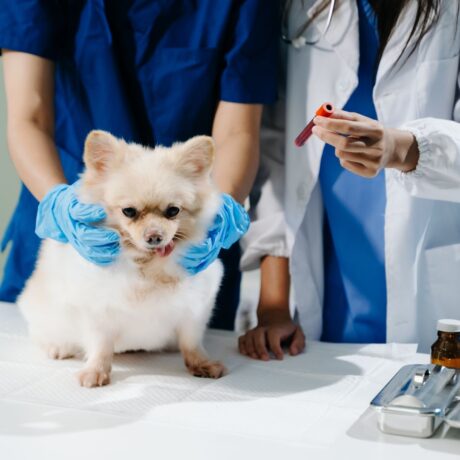
Blood tests (BUN, Creatinine for kidneys; ALT, AST for liver)
-
Urine analysis
-
Ultrasound imaging
-
X-rays
-
Biopsy (in severe liver cases)
Early-stage disease is often detected during routine blood screening, even before visible symptoms appear.
Treatment Options for Kidney & Liver Problems in Dogs and Cats
Treatment depends on severity and whether the condition is acute or chronic.
Treatment for Kidney Problems
-
IV fluid therapy
-
Special renal diets
-
Medications to control blood pressure
-
Phosphate binders
-
Anti-nausea medications
-
Subcutaneous fluids (home care in chronic cases)
Chronic Kidney Disease cannot be cured, but it can be managed effectively with early intervention.
Treatment for Liver Problems
-
Liver-support supplements (SAMe, silymarin)
-
Antibiotics (if infection is present)
-
Anti-inflammatory medications
-
Low-fat, easily digestible diets
-
Fluid therapy
In some cases, surgery may be required if there are tumors or bile duct obstructions.
Dietary Care for Kidney & Liver Problems in Dogs and Cats
Diet plays a major role in managing Kidney & Liver Problems in Dogs and Cats.

Kidney-Friendly Diet
-
Low phosphorus
-
Moderate high-quality protein
-
Controlled sodium
-
Increased omega-3 fatty acids
-
High moisture content
Wet food is often recommended for cats to maintain hydration.
Liver-Support Diet
-
Highly digestible protein
-
Low copper (in certain liver conditions)
-
Adequate carbohydrates
-
Added antioxidants
Never change your pet’s diet without consulting a veterinarian.
Preventing Kidney & Liver Problems in Dogs and Cats
Prevention is always better than treatment.
Practical Preventive Measures
-
Annual (or biannual for seniors) blood tests
-
Ensure constant access to clean water
-
Avoid giving human medications
-
Keep toxic plants and chemicals out of reach
-
Maintain a healthy weight
-
Provide balanced, high-quality nutrition
-
Vaccinate against infectious diseases
Regular dental care is also important because chronic oral infections can impact kidney health.
Special Risk: Senior Pets
Senior dogs and cats are more prone to Kidney & Liver Problems in Dogs and Cats. After the age of 7, yearly health screenings should become a priority.
Cats are particularly vulnerable to Chronic Kidney Disease, while certain dog breeds may have genetic predispositions to liver disorders.
Early screening significantly increases survival rates and improves long-term quality of life.
When to See a Vet Immediately
Seek urgent veterinary care if your pet shows:
-
Continuous vomiting
-
Refusal to eat for more than 24 hours
-
Yellow gums or eyes
-
Severe lethargy
-
Sudden collapse
-
Blood in urine
Delaying treatment can lead to organ failure and life-threatening complications.
Living with Kidney & Liver Problems in Dogs and Cats

Many pets live comfortable, happy lives even after diagnosis. The key factors are:
-
Early detection
-
Consistent medication
-
Proper diet
-
Hydration management
-
Routine vet follow-ups
With supportive care, pets with chronic kidney or liver disease can maintain a good quality of life for years.
Final Thoughts
Understanding Kidney & Liver Problems in Dogs and Cats empowers pet parents to act early and make informed decisions. These organs are vital for detoxification, digestion, and overall metabolic balance. Subtle symptoms like increased thirst, appetite changes, or mild lethargy should never be ignored.
Routine veterinary screenings, proper nutrition, and awareness of early warning signs can dramatically reduce complications. When managed properly, even chronic conditions can be controlled effectively.
At Ithinkpets.com, our goal is to help pet parents stay informed and proactive about their pets’ health. Early awareness truly saves lives.