

Tick & Flea Control for Cats: Safe Solutions Every Cat Parent Should Know
Parasites may be tiny, but the problems they cause in cats can be enormous. From relentless itching to serious skin infections and disease transmission, ticks and fleas are among the most common external parasites affecting cats. Understanding Tick & Flea Control for Cats: Safe Solutions Every Cat Parent Should Know is essential for keeping your feline companion healthy, comfortable, and protected year-round.
In this detailed guide, we’ll explore how ticks and fleas affect cats, early warning signs, safe treatment options, preventive strategies, and expert tips every responsible cat parent should follow.
Why Tick & Flea Control for Cats Is So Important
View our Cat Tick & Flee Remedies
Shop atIthinkpets.com
Many cat parents assume indoor cats are safe from parasites. However, fleas and ticks can enter your home through shoes, clothing, other pets, or even open windows. Once inside, they multiply rapidly.
Fleas feed on blood and can cause:
-
Severe itching and scratching
-
Hair loss
-
Skin infections
-
Flea allergy dermatitis
-
Anemia (especially in kittens)
Ticks attach to the skin and can transmit serious diseases. Even a single tick bite can cause health complications.
This is why Tick & Flea Control for Cats: Safe Solutions Every Cat Parent Should Know is not just seasonal advice — it’s a year-round responsibility.
Common Signs of Fleas and Ticks in Cats
Early detection is key to effective tick & flea control for cats. Watch for these symptoms:

Signs of Fleas:
-
Excessive scratching or licking
-
Tiny black specks (flea dirt) in fur
-
Red, irritated skin
-
Hair thinning, especially near the tail base
-
Restlessness
Signs of Ticks:
-
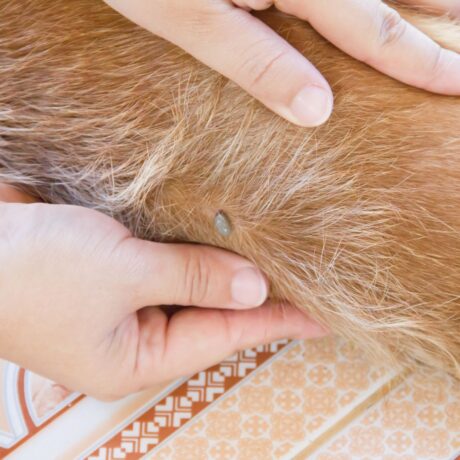
Small, pea-sized bumps on the skin
-
Visible tick attached to ears, neck, or between toes
-
Lethargy
-
Fever
-
Swollen lymph nodes
Regular grooming and physical inspection help in early identification.
Understanding the Flea Life Cycle
To effectively manage tick & flea control for cats, you must understand how quickly infestations develop.
Fleas go through four life stages:
-
Egg
-
Larva
-
Pupa
-
Adult
Only about 5% of fleas live on your cat. The remaining 95% (eggs, larvae, pupae) exist in carpets, bedding, and furniture. That’s why treating only your cat isn’t enough — your environment must also be managed.
Safe Solutions for Tick & Flea Control for Cats
When it comes to parasite prevention, safety should always come first. Cats are sensitive to certain chemicals that are safe for dogs. Never use dog flea products on cats.
Here are safe and effective options:
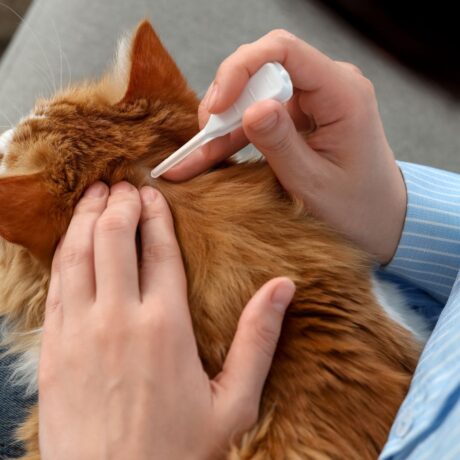
1. Topical Spot-On Treatments
These are liquid medications applied to the back of your cat’s neck. They spread through the skin oils and kill parasites.
Benefits:
-
Long-lasting (usually 30 days)
-
Easy to apply
-
Kills adult fleas and sometimes ticks
Always consult a veterinarian for dosage and suitability based on age and weight.
2. Oral Flea Medications
Oral treatments are highly effective for killing adult fleas quickly. They are ideal for heavy infestations.
Advantages:
-
Fast action
-
No residue on fur
-
No risk of washing off
However, they may not always provide tick coverage, so combination prevention might be required.
3. Flea Collars
Modern flea collars release small amounts of medication over time.
Benefits:
-
Long-term protection (up to several months)
-
Convenient
-
Useful for outdoor cats
Ensure the collar is specifically labeled safe for cats.
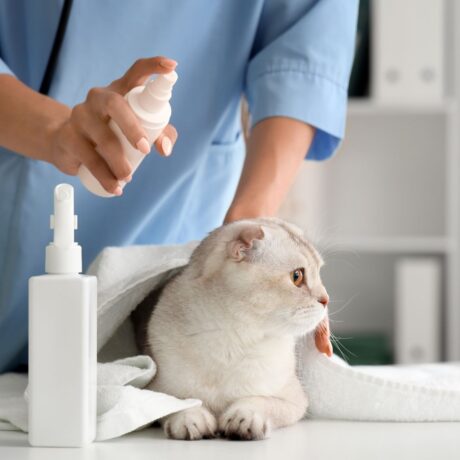
4. Medicated Shampoos and Sprays
Shampoos and sprays provide immediate relief but are usually short-term solutions.
They are helpful:
-
During active infestations
-
For removing visible fleas
-
As part of a broader parasite management plan
Cats generally dislike baths, so this may not be suitable for all felines.
5. Natural and Gentle Alternatives
Some cat parents prefer natural approaches. Options may include:
-
Flea combing daily
-
Washing bedding weekly in hot water
-
Vacuuming carpets regularly
-
Maintaining a clean indoor environment
While natural methods can help reduce infestations, they are often not sufficient alone in severe cases.
Safe Tick Removal at Home
If you find a tick on your cat:
-
Use fine-tipped tweezers.
-
Grasp the tick as close to the skin as possible.
-
Pull upward steadily without twisting.
-
Clean the area with antiseptic.
Never crush the tick with bare hands. Monitor your cat for signs of illness over the next few days.
Preventing Reinfestation: Home Care Matters
Effective Tick & Flea Control for Cats: Safe Solutions Every Cat Parent Should Know includes environmental management.
Take these steps:
-
Vacuum daily during infestations
-
Dispose of vacuum bags immediately
-
Wash cat bedding weekly
-
Treat all pets in the household
-
Maintain yard cleanliness if your cat goes outdoors
Prevention is always easier and cheaper than treating an infestation.
Are Indoor Cats Really Safe?
Even indoor cats are at risk. Fleas can:
-
Hitchhike on visitors
-
Enter through screens
-
Travel on other pets
Ticks may attach during brief outdoor exposure. Therefore, tick & flea control for cats should be considered a preventive healthcare measure, not just a reaction to infestation.
Seasonal vs Year-Round Protection
Many parasites thrive in warm, humid climates. However, indoor heating allows fleas to survive even in winter.
Veterinarians increasingly recommend year-round tick & flea control for cats to avoid sudden outbreaks.
Special Considerations for Kittens and Senior Cats
Young kittens and elderly cats have weaker immune systems.
When choosing treatment:
-
Confirm minimum age requirements
-
Avoid strong chemical formulas
-
Follow precise dosage instructions
Always consult your veterinarian before starting any new preventive treatment.
When to See a Veterinarian
Seek professional care if your cat shows:
-
Persistent scratching despite treatment
-
Signs of anemia (pale gums, weakness)
-
Fever or lethargy
-
Severe skin infections
Some tick-borne diseases require prompt medical intervention.
Final Thoughts
Protecting your cat from parasites is a fundamental part of responsible pet parenting. Understanding Tick & Flea Control for Cats: Safe Solutions Every Cat Parent Should Know empowers you to take proactive steps toward your cat’s health and comfort.
From topical treatments and oral medications to environmental hygiene and regular grooming, safe parasite control is achievable with the right approach. Prevention, consistency, and veterinary guidance are the keys to success.
A parasite-free cat is a happier, healthier companion — and that’s what every cat parent wants. Ithinkpets.com